
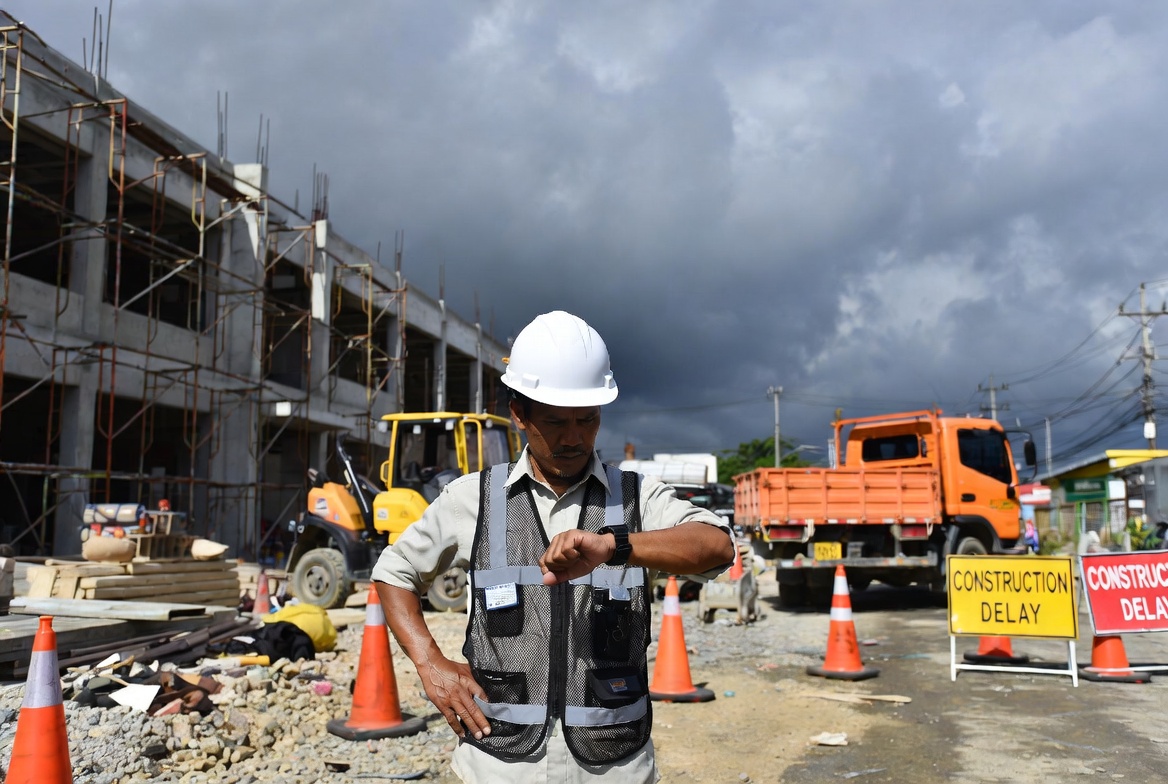
One of the most common problems in construction projects is delay.
But not all delays are the contractor’s fault.
Sometimes:
- drawings are late
- approvals take too long
- site access is delayed
- variation orders disrupt the schedule
- the owner’s other contractors are in delay
And yet somehow, the contractor still ends up absorbing the pressure.
This is where many contractors make a mistake.
They experience delay—but they never properly frame it as a claim.
“Na-delay na nga ang project, ikaw pa ang nasisisi.”
This article explains what owner-caused delay actually means, what contractors commonly overlook, and why documentation matters more than most people realize.
1. What Is Owner-Caused Delay?
Owner-caused delay happens when actions—or inaction—from the owner affect the contractor’s ability to proceed properly with the work.
This can happen in many ways.
Sometimes approvals take too long or plans are incomplete. Sometimes there are late decisions, delayed site turnover, or changes introduced in the middle of construction. Sometimes the owner’s other contractors are in delay.
In practice, delays are often not caused by just one event.
Construction projects are dynamic. Problems overlap. Responsibilities become blurred very quickly.
“Ang problema minsan, contractor ang sumasalo ng delay kahit hindi naman siya ang may gawa.”
2. Why Delay Issues Become Serious
Delays do not just affect timelines.
They affect:
- manpower
- equipment allocation
- overhead
- cash flow
- supplier relationships
- and overall project profitability
A delay that looks “minor” on paper can become extremely expensive over time.
This is why proper delay analysis and documentation matter.
Without them, contractors often end up carrying costs they should not have absorbed in the first place.
3. The Mistake Many Contractors Make
Many contractors experience owner-caused delays but fail to formally document them while the project is ongoing.
Instead:
- they rely on verbal discussions
- continue working
- and assume the issue will eventually be resolved later
But when disputes eventually arise, memory becomes unreliable.
At that point, documents matter far more than recollection.
“Kung walang notices, reports, or documentation, mahirap patunayan later on.”
4. What Can a Contractor Actually Claim?
Not every delay automatically means compensation.
That is important to understand early.
In many situations, the first issue is entitlement to additional time.
This usually appears in the form of:
- extension of time
- revised completion periods
- schedule adjustments
But depending on the contract and the circumstances, delays may also lead to additional costs.
Examples may include:
- extended overhead
- manpower standby costs
- equipment idle time
- additional supervision costs
The key issue is not simply whether delay happened.
The real issue is whether the delay can be properly connected to specific events—and properly supported by records.
“Hindi sapat na may delay. Kailangan mapakita saan nanggaling at paano naapektuhan ang project.”
5. Why Documentation Matters So Much
In construction disputes, documentation is often what separates a strong claim from a weak one.
This includes:
- letters
- notices
- progress reports
- site instructions
- emails
- revised schedules
- meeting minutes
Many contractors assume they can “explain everything later.”
But once a dispute escalates, explanations alone are rarely enough.
Construction claims are heavily driven by records.
The earlier documentation is created, the more credible it usually becomes.
6. Why Some Contractors Still Lose Valid Claims
One of the harsh realities in construction disputes is this:
A contractor can be correct—and still lose.
Tama naman ang contractor—pero talo parin.
Not because the delay was imaginary.
But because:
- notices were not issued
- records were incomplete
- timelines became unclear
- or the claim was presented too late
This is why delay claims should not be treated casually.
The longer problems continue without proper documentation, the harder they become to untangle later.
“Minsan valid ang reklamo—pero kulang ang ebidensya.”
Final Thought
Construction delays are common.
But how those delays are handled often determines whether they remain manageable—or eventually become full disputes.
The earlier issues are identified, documented, and addressed properly, the stronger the contractor’s position usually becomes.
In construction, small delays rarely stay small for very long.
Related Articles
- What to Do If You Are Not Paid in a Construction Project (Philippines)?
- Can a Contractor Stop Work for Non-Payment?
- How Documentation Affects Construction Claims
Need Clarity on a Delay Issue?
If your project is experiencing delays and you are unsure how those delays affect your position, it is usually better to assess the situation early before responsibilities become harder to separate.
You may reach out to us below: