
Category: Construction Claims
-
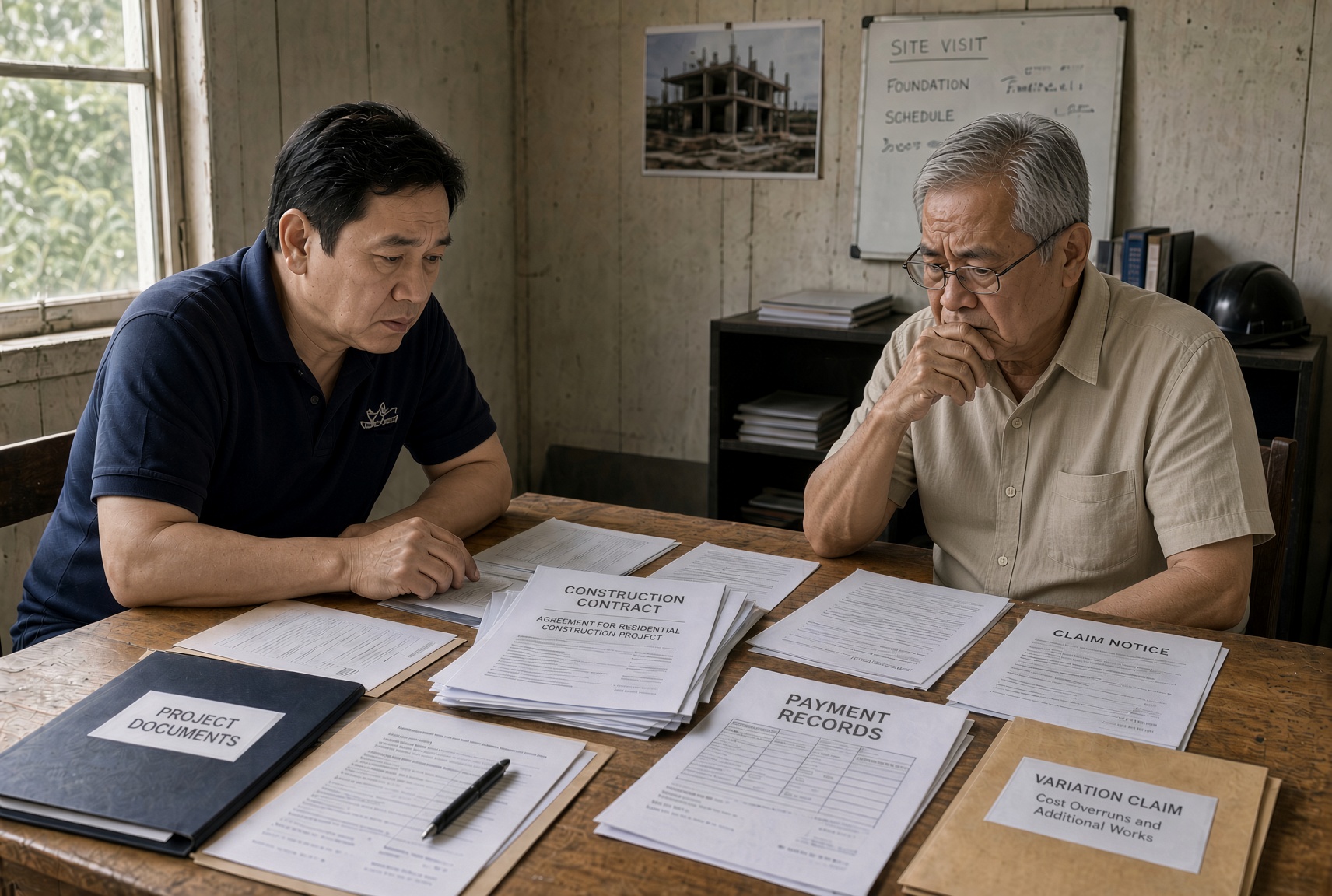
The Filipino Fear of “Kasuhan”: Why Owners and Contractors Hesitate to Fight for What They’re Owed
There is a phrase that many Filipinos would rather avoid hearing in a business dispute: “Magkakasuhan na.” For many people, the prospect of filing a case brings more than just the possibility of losing money or spending on legal fees. It brings the prospect of conflict—internal and external. It means confronting someone they may have…
-
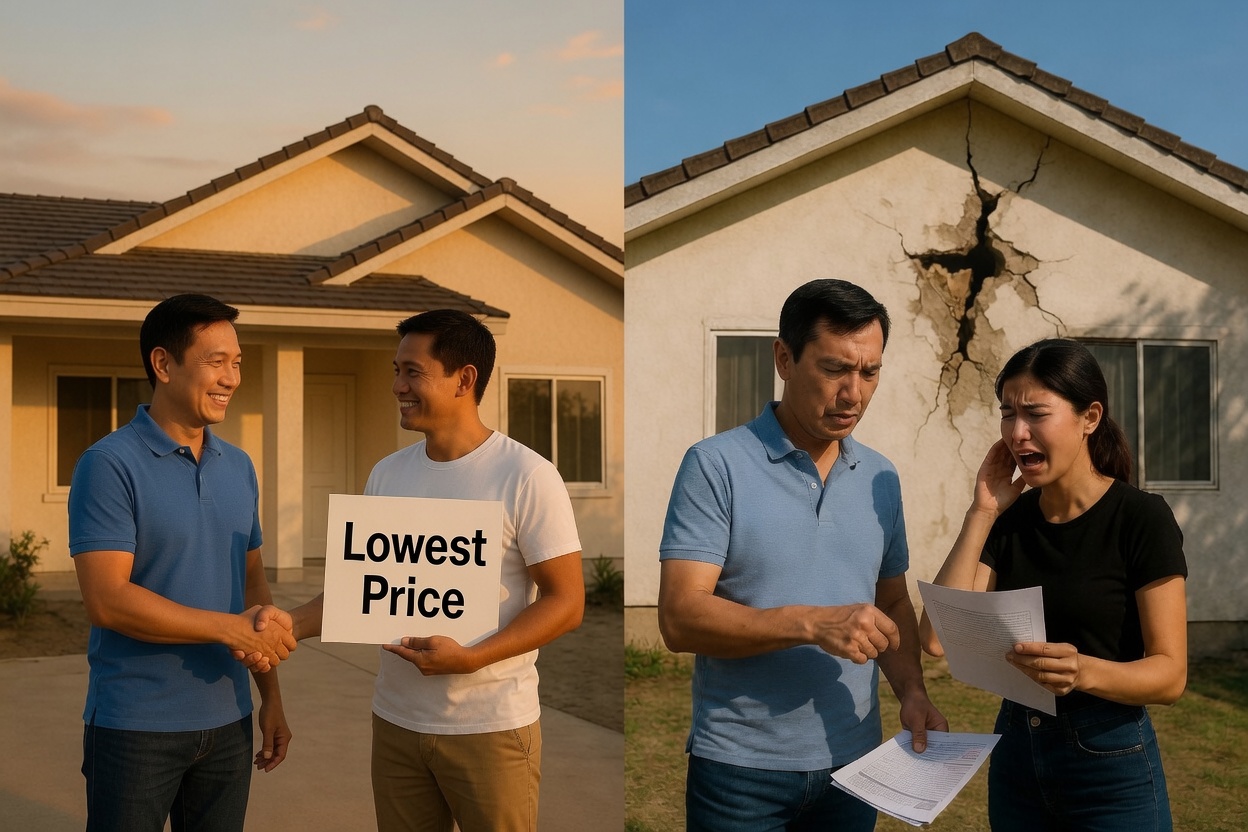
The Cheapest Contractor May Not Be the Cheapest Decision
If you’ve been in the construction industry long enough, you’ve probably experienced this before. You spend days—or even weeks—preparing your proposal. You visit the project site. You coordinate with suppliers and subcontractors. You carefully estimate labor, materials, equipment, overhead, and project risks. You submit what you believe is a realistic and responsible bid. Then the…
-

Liquidated Damages: Why Delay Is More Complicated Than It Looks
When contractors review a construction contract, one provision often receives little attention during the excitement of securing the project: the liquidated damages clause. At that stage, most parties are focused on mobilization, schedules, manpower, and getting work started. Liquidated damages can feel like just another provision buried somewhere in the contract. But once delays begin…
-
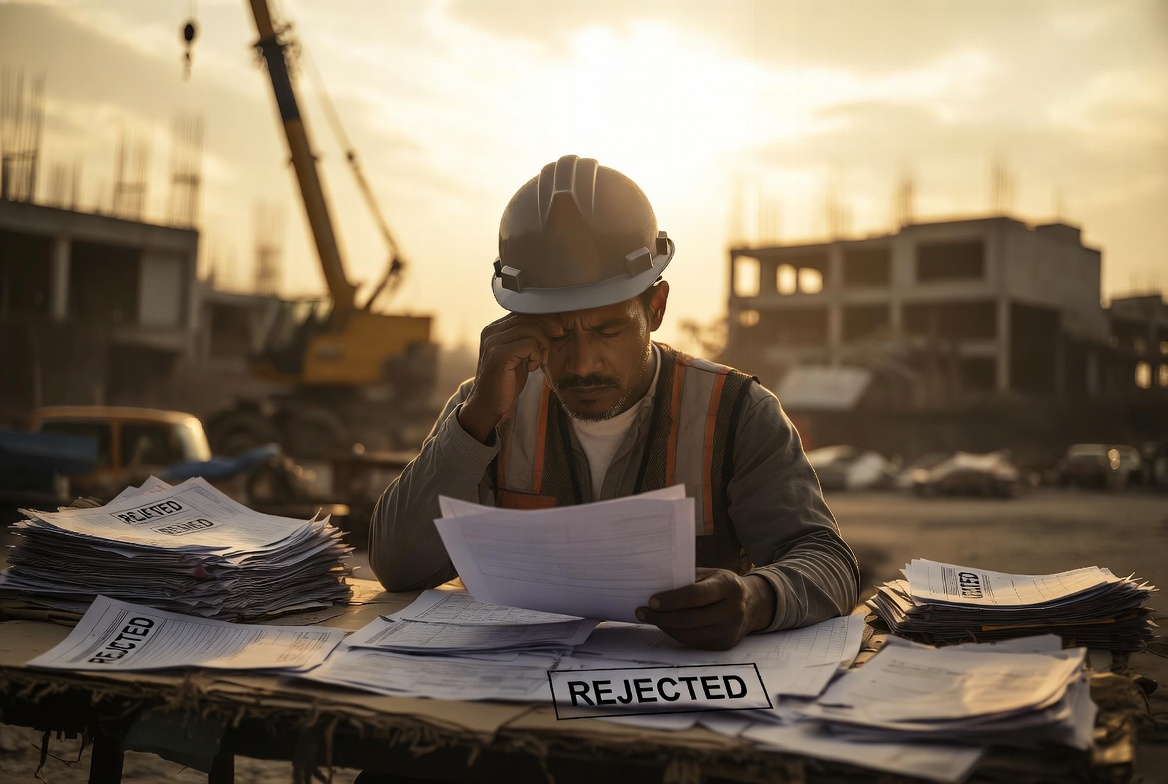
Why Construction Claims Fail Even When the Contractor Is Right
One of the harsh realities in construction disputes is this: A contractor can be completely correct—and still lose the claim. Not necessarily because the work was defective. Not necessarily because the contractor caused the problem. But because the claim itself was poorly documented, poorly presented, or raised too late. “Minsan valid ang position—pero kulang ang…
-
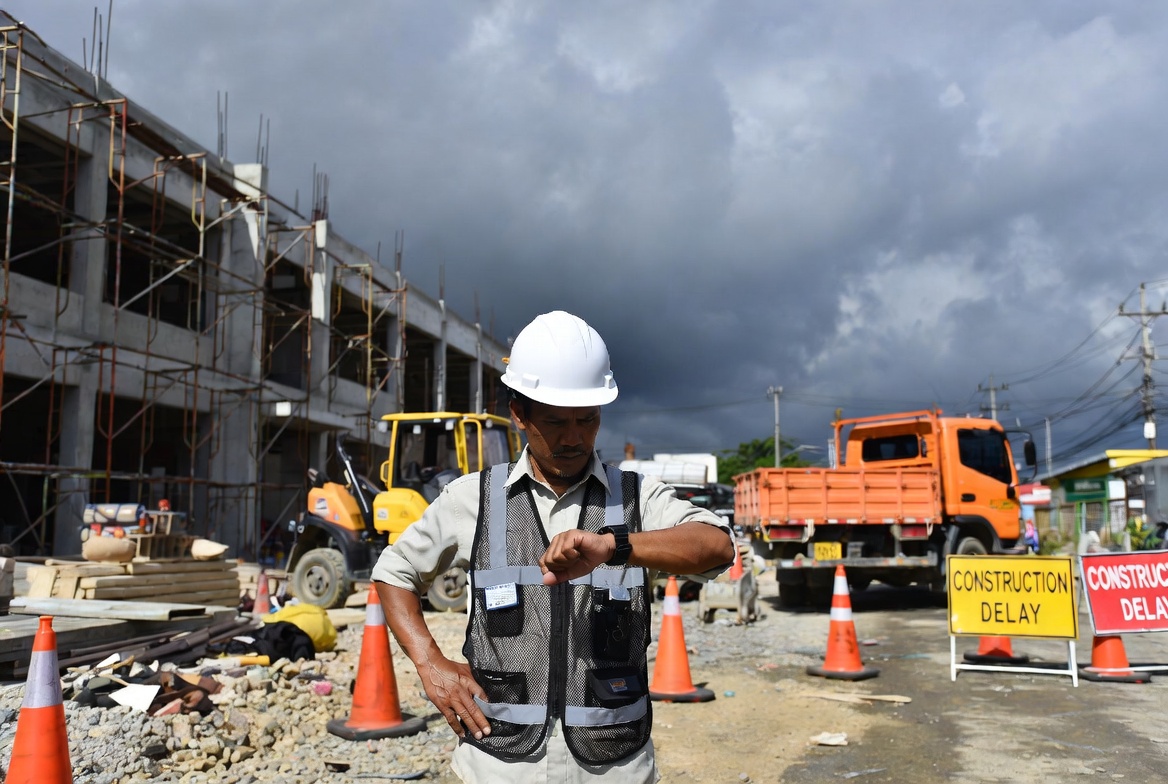
Owner-Caused Delay: What Can a Contractor Actually Claim?
One of the most common problems in construction projects is delay. But not all delays are the contractor’s fault. Sometimes: And yet somehow, the contractor still ends up absorbing the pressure. This is where many contractors make a mistake. They experience delay—but they never properly frame it as a claim. “Na-delay na nga ang project,…
-

What to Do If You Are Not Paid in a Construction Project in the Philippines?
If you’re a contractor, you’ve either experienced this—or you know it’s coming. You’ve completed the work, or you’re in the middle of it. You’ve submitted your billing. Maybe it was even approved. But the payment doesn’t come. At first, it’s just a delay. Then it becomes a pattern. Eventually, it starts affecting your cash flow.…