
Author: Atty. Sherdil Rana
-
The Filipino Fear of “Kasuhan”: Why Owners and Contractors Hesitate to Fight for What They’re Owed
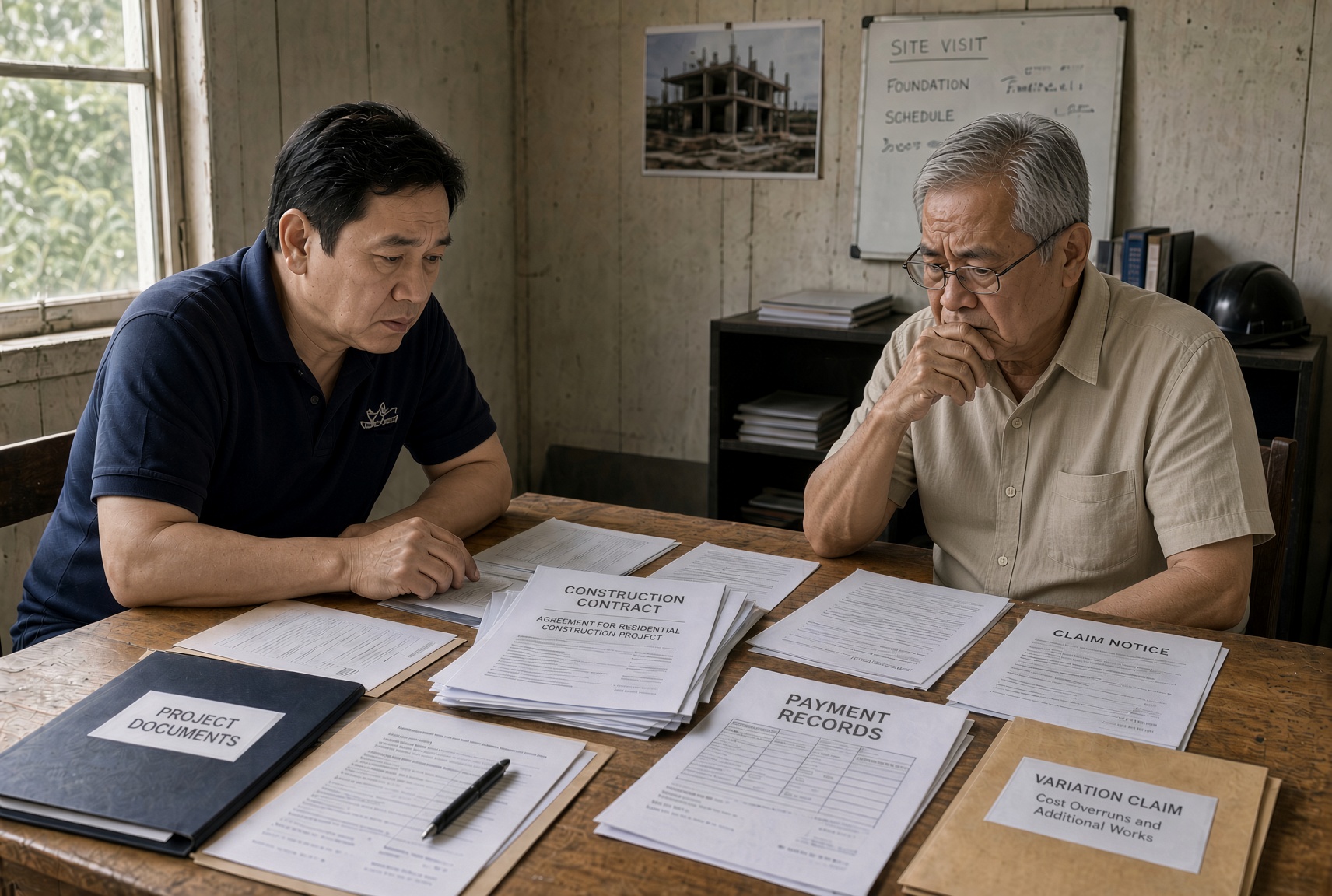
There is a phrase that many Filipinos would rather avoid hearing in a business dispute: “Magkakasuhan na.” For many people, the prospect of filing a case brings more than just the possibility of losing money or spending on legal fees. It brings the prospect of conflict—internal and external. It means confronting someone they may have…
-

Good Contractors Don’t Just Build Projects—They Set the Right Expectations
Recently, I met with a friend who is a contractor. He raised an issue that I thought was worth discussing. He told me that even when the construction contract is well-prepared, and even when he believes his team has properly executed the project, disputes with the owner still arise. Do you know why that happens?…
-
Retention Money in Construction Contracts: When Should It Be Released?
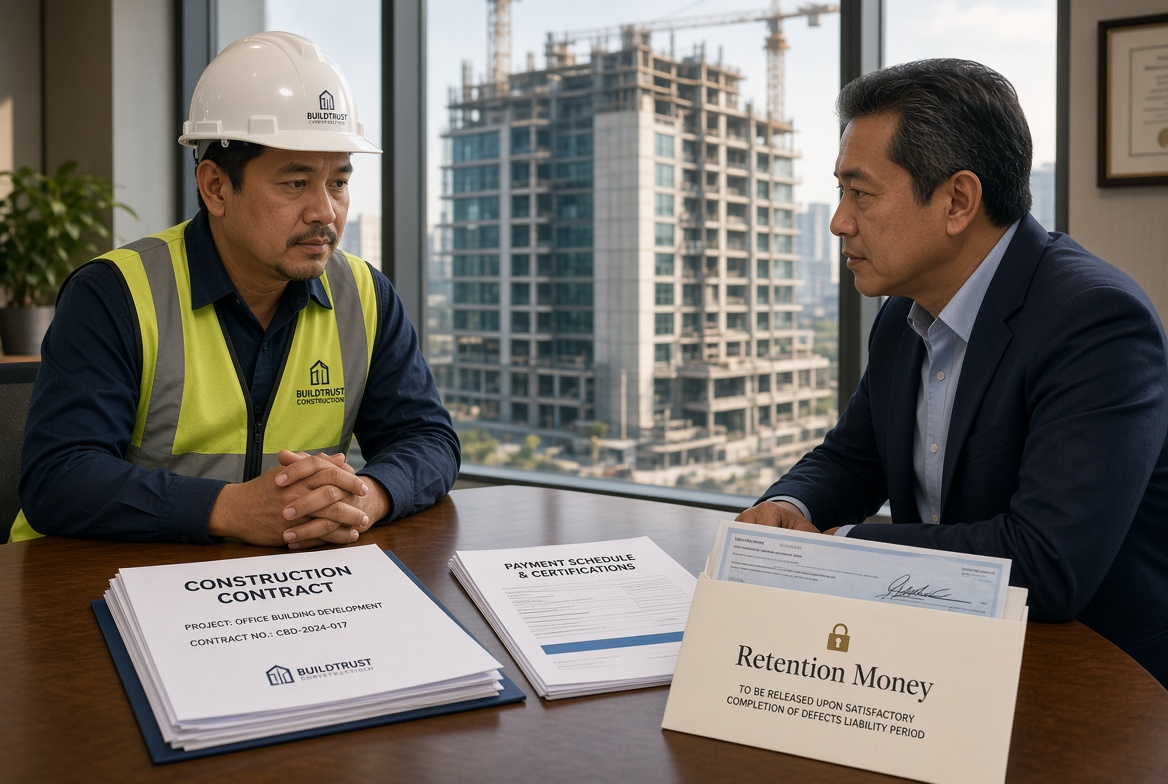
A construction project is nearing completion. The walls are finished. The floors are installed. The fixtures are in place. The contractor is preparing for turnover. But there is still one amount that has not been paid to the contractor. Retention money. For many contractors, retention represents a significant amount of money that has already been…
-
Force Majeure in Construction: When Is a Delay Beyond the Contractor’s Control?
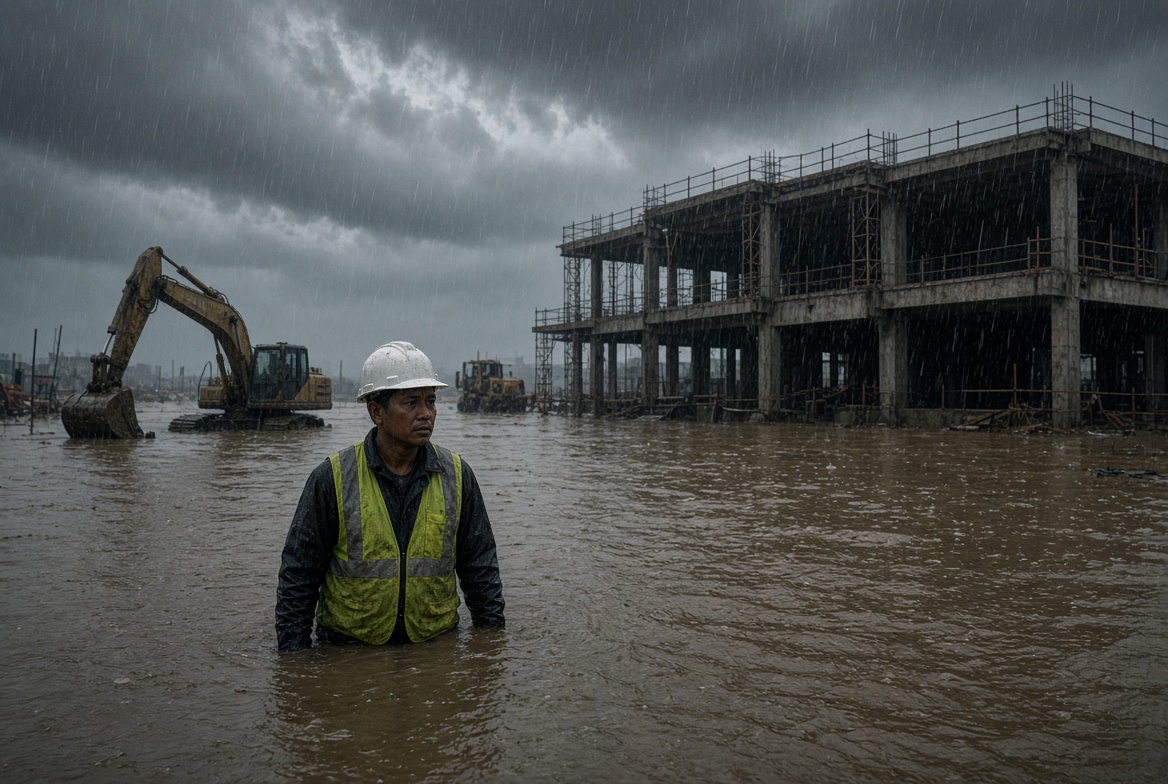
Few words appear more frequently in construction-delay discussions than: “Force majeure.” A project is delayed because of a typhoon. Materials suddenly become unavailable. A government order affects the project. A major external event disrupts construction. The contractor then attributes it to “force majeure.” But saying the words does not automatically make a contractor legally excused…
-

Progress Payments Should Follow Progress—Not Promises
One of the most common stories I hear from homeowners begins with the same sentence. “Attorney, fully paid na kami—pero di pa gawa ang bahay.” Sometimes the contractor has stopped reporting to the project. Sometimes construction has slowed to a crawl. Sometimes the remaining work requires significant additional cost to complete. When I ask how…
-

Your Contractor Is Not a Mind Reader—And Neither Are You
Many construction disputes do not begin because someone acted dishonestly. They begin because two people believed they were talking about the same thing when, in reality, they were not. An owner assumes a particular finish is included. A contractor assumes it is an additional cost. Neither realizes the misunderstanding until construction is already underway. By…
-
The Most Important Clause in Your Construction Contract Is the One You Hope You’ll Never Use
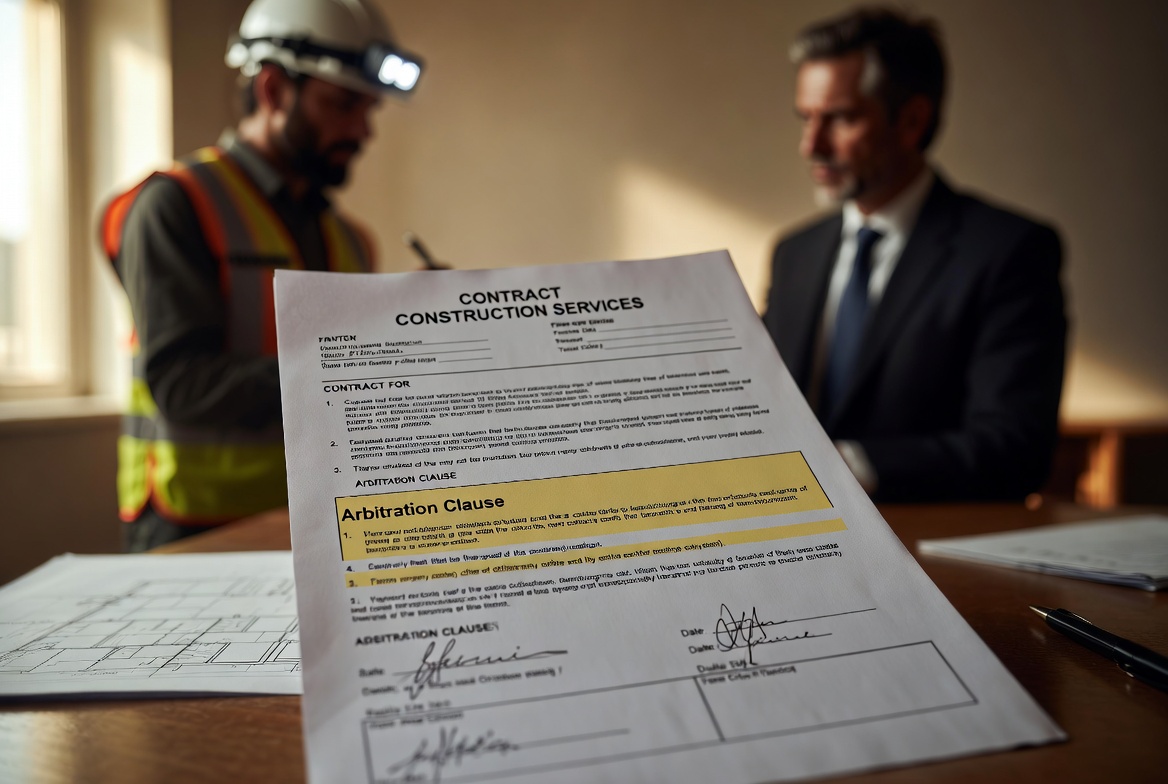
For many Filipinos, building a home is the realization of a lifelong dream. Some save for years to build a retirement home. Others return after working overseas to finally construct the family home they have always imagined. Some build a vacation house where future memories will be made. The excitement usually revolves around choosing the…
-

Reputation Is a Contractor’s Most Valuable Asset
Ask experienced contractors where most of their projects come from, and many will probably give a similar answer. Not advertisements. Not social media. Not even competitive bidding. Many will simply say: “Referral.” That single word says a great deal about the construction industry. Unlike many other businesses, construction is built heavily on relationships, trust, and…
-
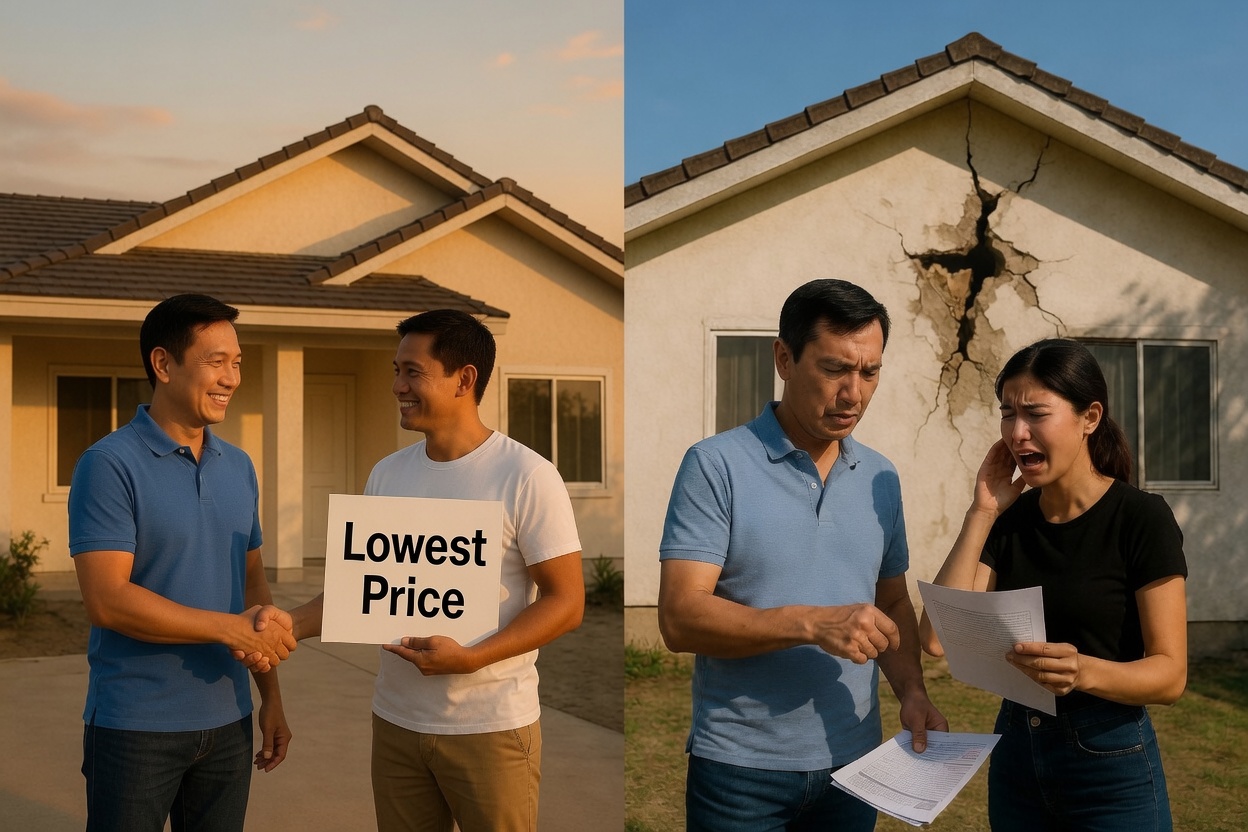
The Cheapest Contractor May Not Be the Cheapest Decision
If you’ve been in the construction industry long enough, you’ve probably experienced this before. You spend days—or even weeks—preparing your proposal. You visit the project site. You coordinate with suppliers and subcontractors. You carefully estimate labor, materials, equipment, overhead, and project risks. You submit what you believe is a realistic and responsible bid. Then the…
-

Why Expectations Matter After Home Turnover — Even for Well-Built Homes
Recently, I was speaking with a friend who operates a build-and-sell business in Baguio. He had completed and sold a residential property with a good level of workmanship and finish. A few months after turnover, however, some minor issues began appearing. Nothing catastrophic. A fixture needed adjustment. A small repair was required. A few punch-list…