The Filipino Fear of “Kasuhan”: Why Owners and Contractors Hesitate to Fight for What They’re Owed

Practical Guidance on Construction Disputes
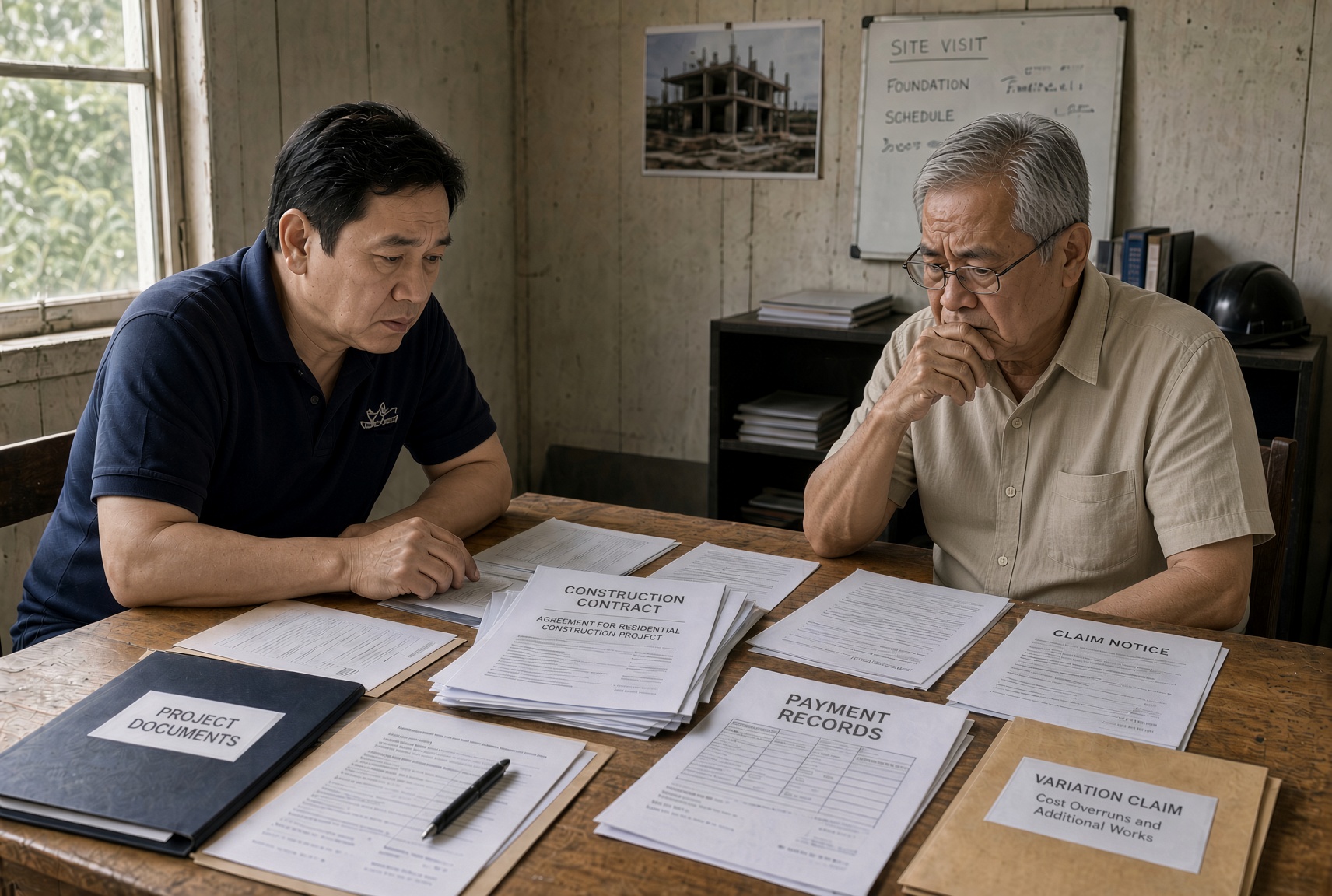
There is a phrase that many Filipinos would rather avoid hearing in a business dispute: “Magkakasuhan na.” For many people, the prospect of filing a case brings more than just the possibility of losing money or spending on legal fees.…
Recently, I met with a friend who is a contractor. He raised an issue that I thought was worth discussing. He told me that even when the construction contract is well-prepared, and even when he believes his team has properly…
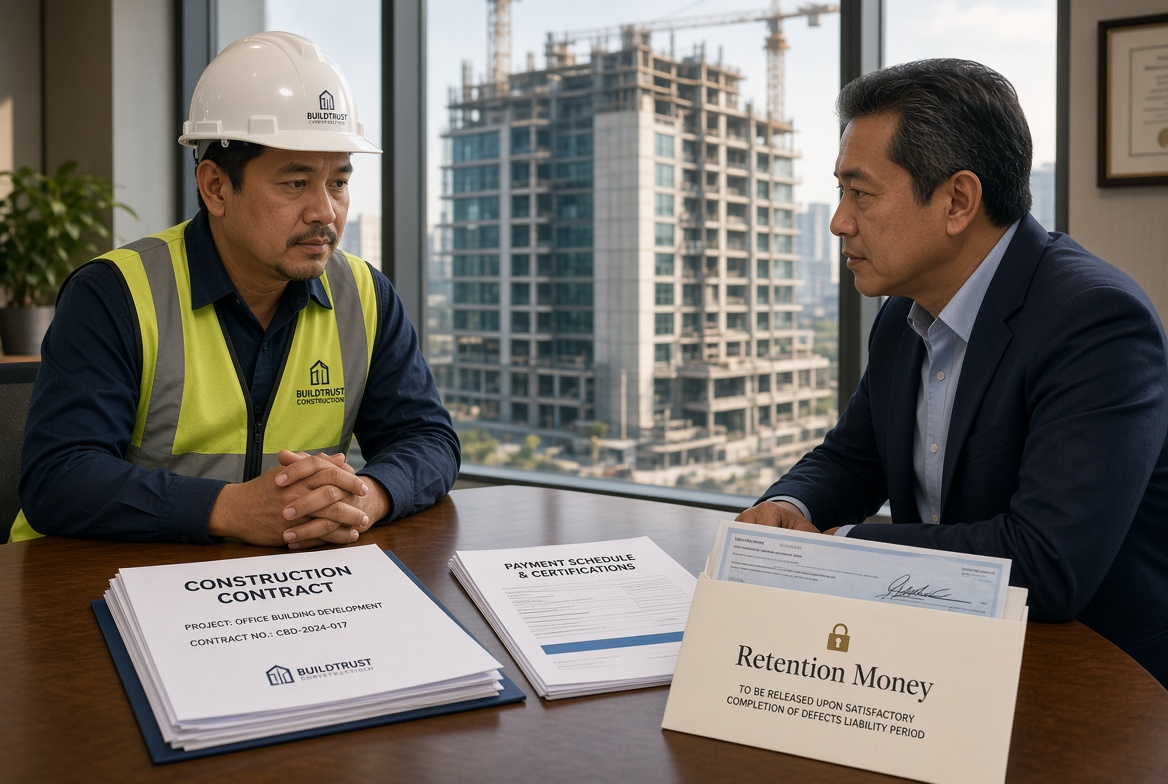
A construction project is nearing completion. The walls are finished. The floors are installed. The fixtures are in place. The contractor is preparing for turnover. But there is still one amount that has not been paid to the contractor. Retention…
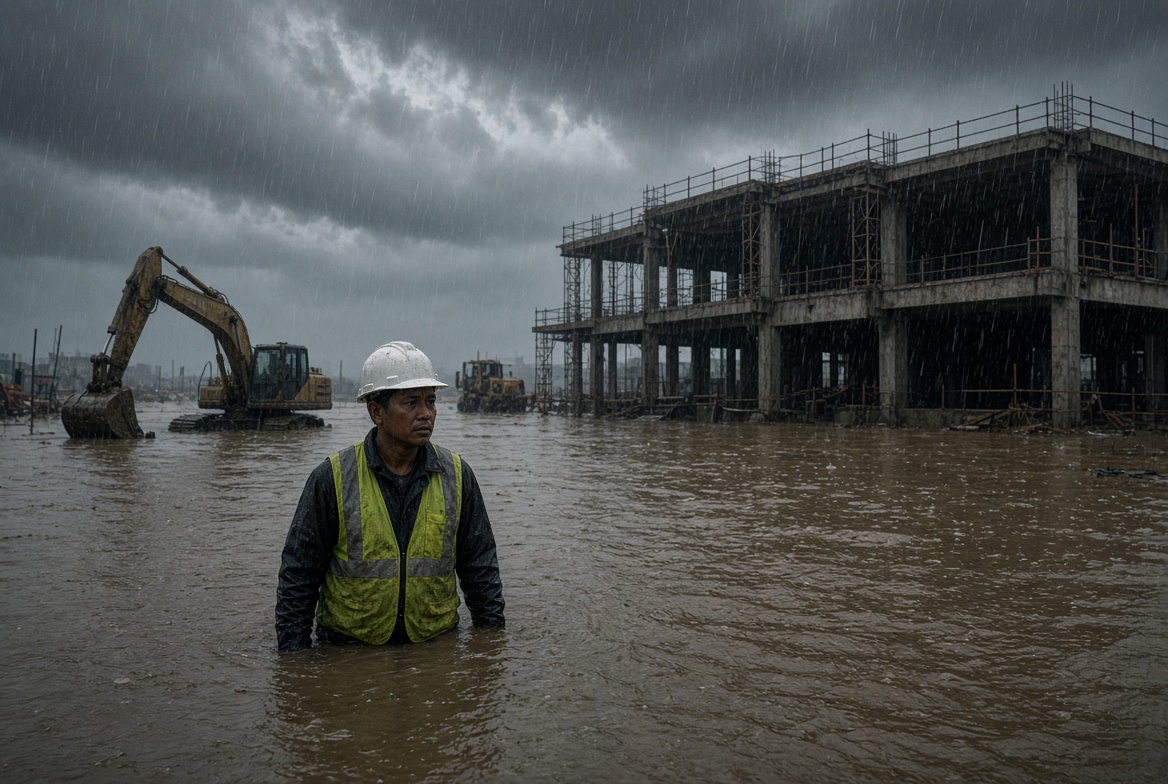
Few words appear more frequently in construction-delay discussions than: “Force majeure.” A project is delayed because of a typhoon. Materials suddenly become unavailable. A government order affects the project. A major external event disrupts construction. The contractor then attributes it…

One of the most common stories I hear from homeowners begins with the same sentence. “Attorney, fully paid na kami—pero di pa gawa ang bahay.” Sometimes the contractor has stopped reporting to the project. Sometimes construction has slowed to a…

Many construction disputes do not begin because someone acted dishonestly. They begin because two people believed they were talking about the same thing when, in reality, they were not. An owner assumes a particular finish is included. A contractor assumes…
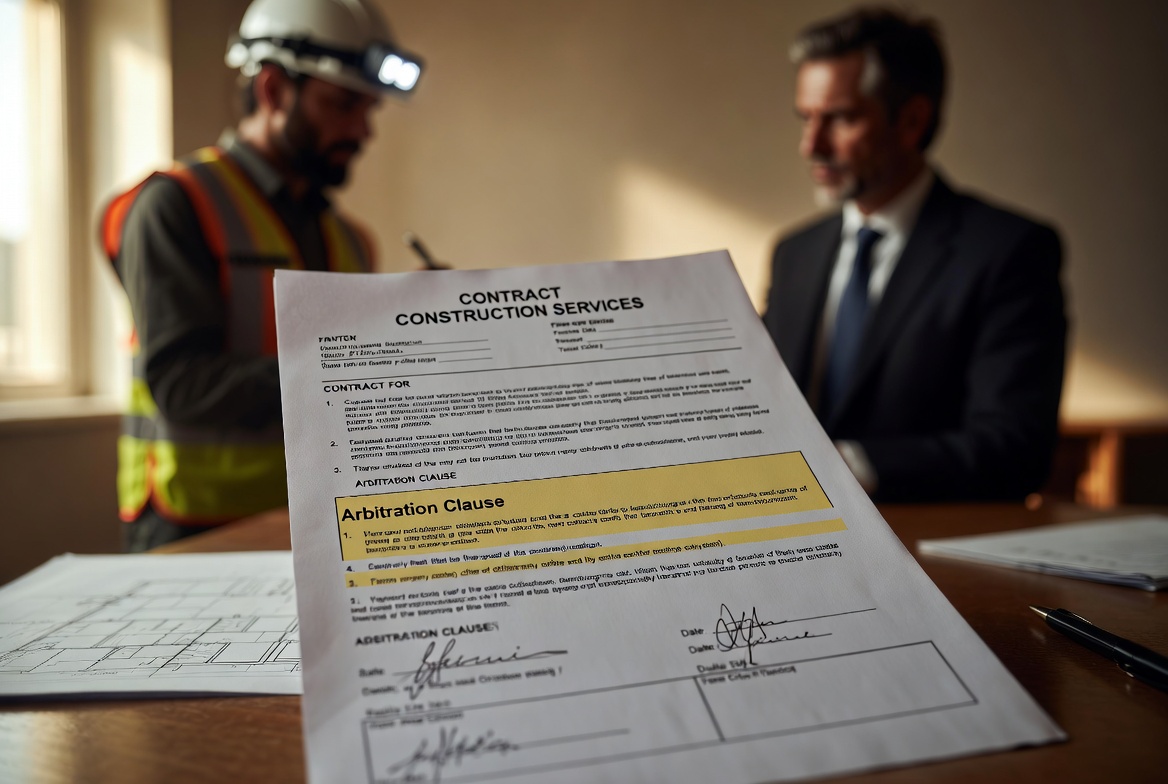
For many Filipinos, building a home is the realization of a lifelong dream. Some save for years to build a retirement home. Others return after working overseas to finally construct the family home they have always imagined. Some build a…

Ask experienced contractors where most of their projects come from, and many will probably give a similar answer. Not advertisements. Not social media. Not even competitive bidding. Many will simply say: “Referral.” That single word says a great deal about…
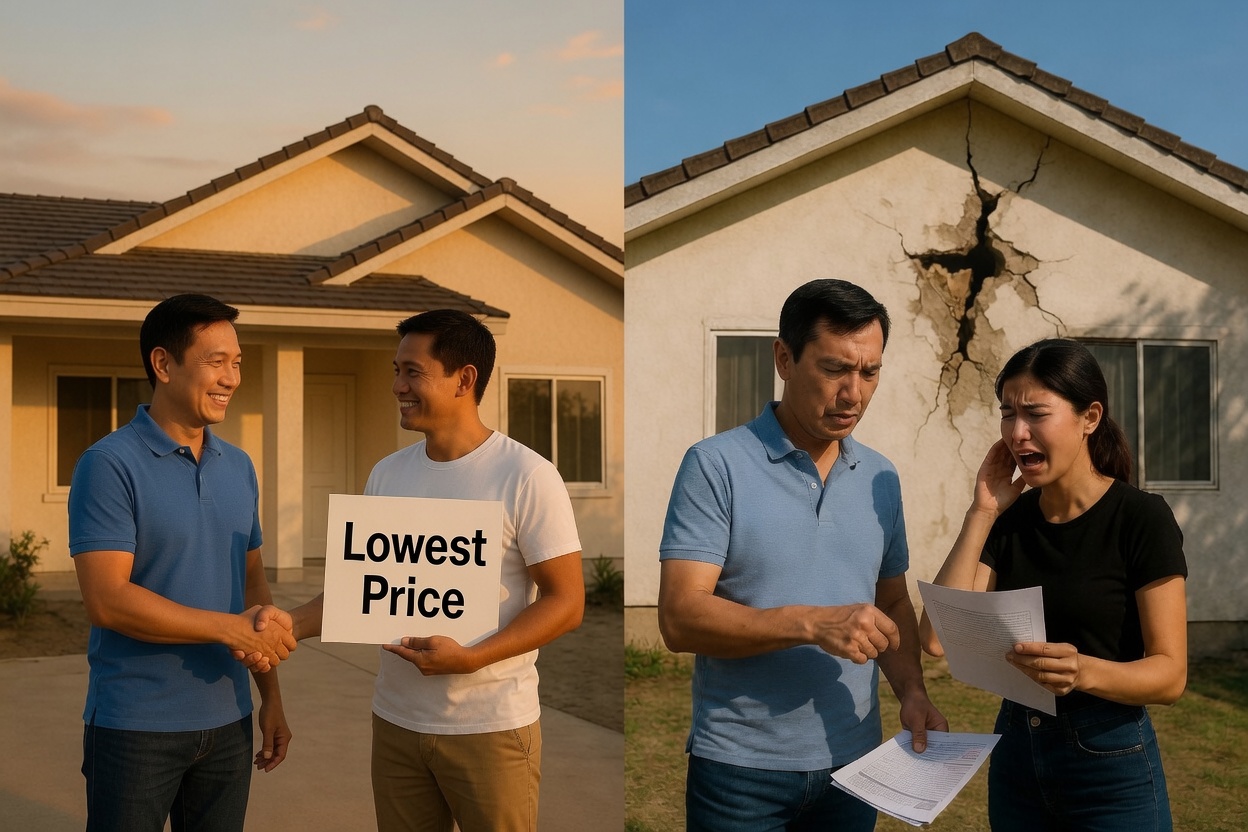
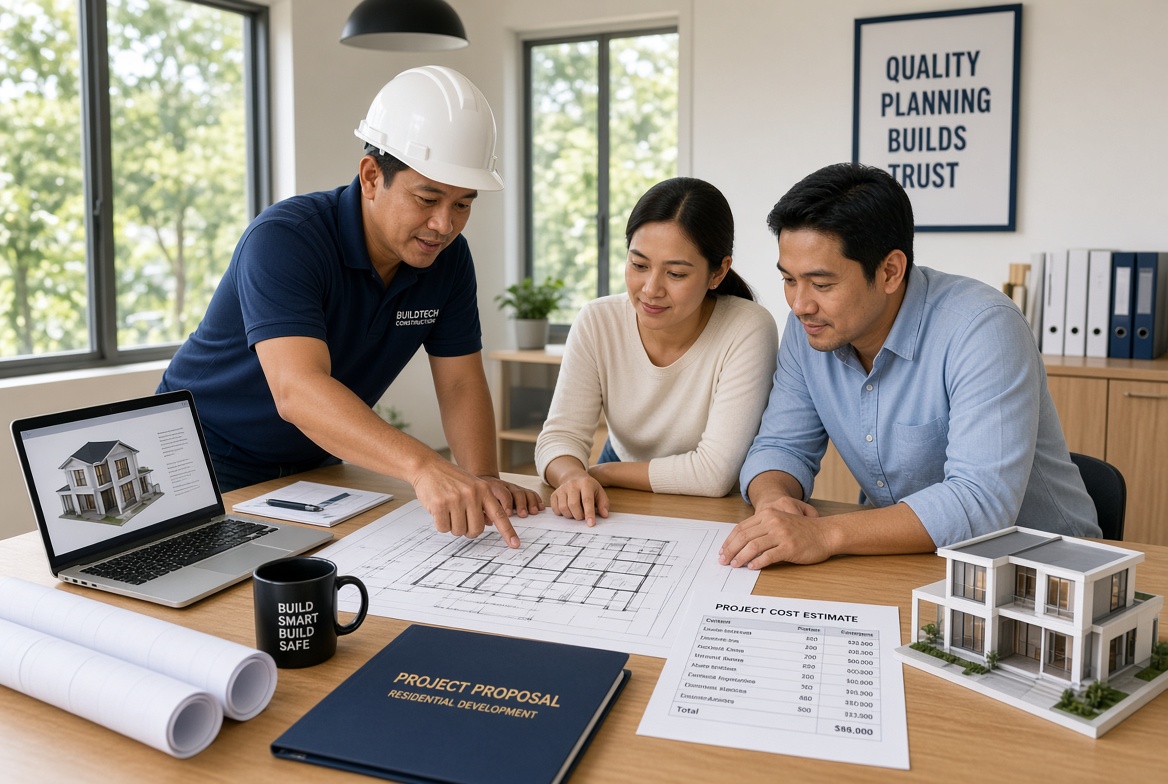
If you’ve been in the construction industry long enough, you’ve probably experienced this before. You spend days—or even weeks—preparing your proposal. You visit the project site. You coordinate with suppliers and subcontractors. You carefully estimate labor, materials, equipment, overhead, and…
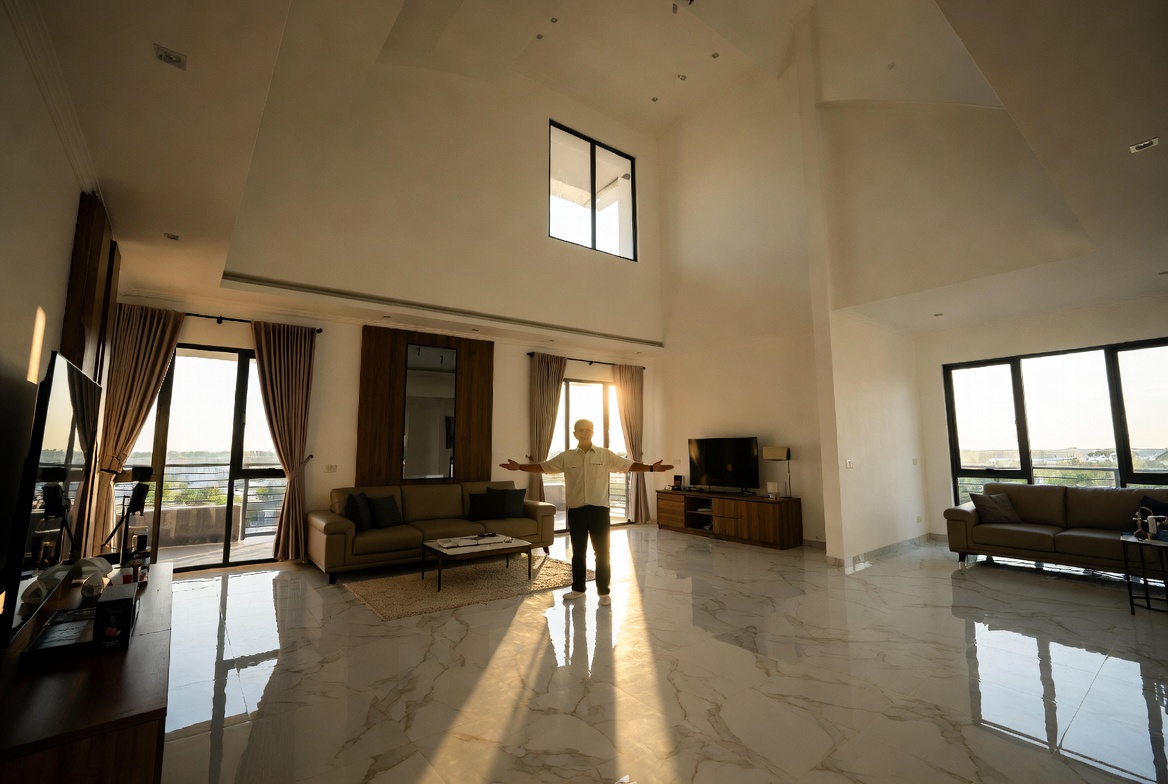
Recently, I was speaking with a friend who operates a build-and-sell business in Baguio. He had completed and sold a residential property with a good level of workmanship and finish. A few months after turnover, however, some minor issues began…
If you are dealing with payment issues, delays, or a potential construction claim, it is usually better to assess the situation early before positions become harder to fix.
Feel free to reach out to us below: