
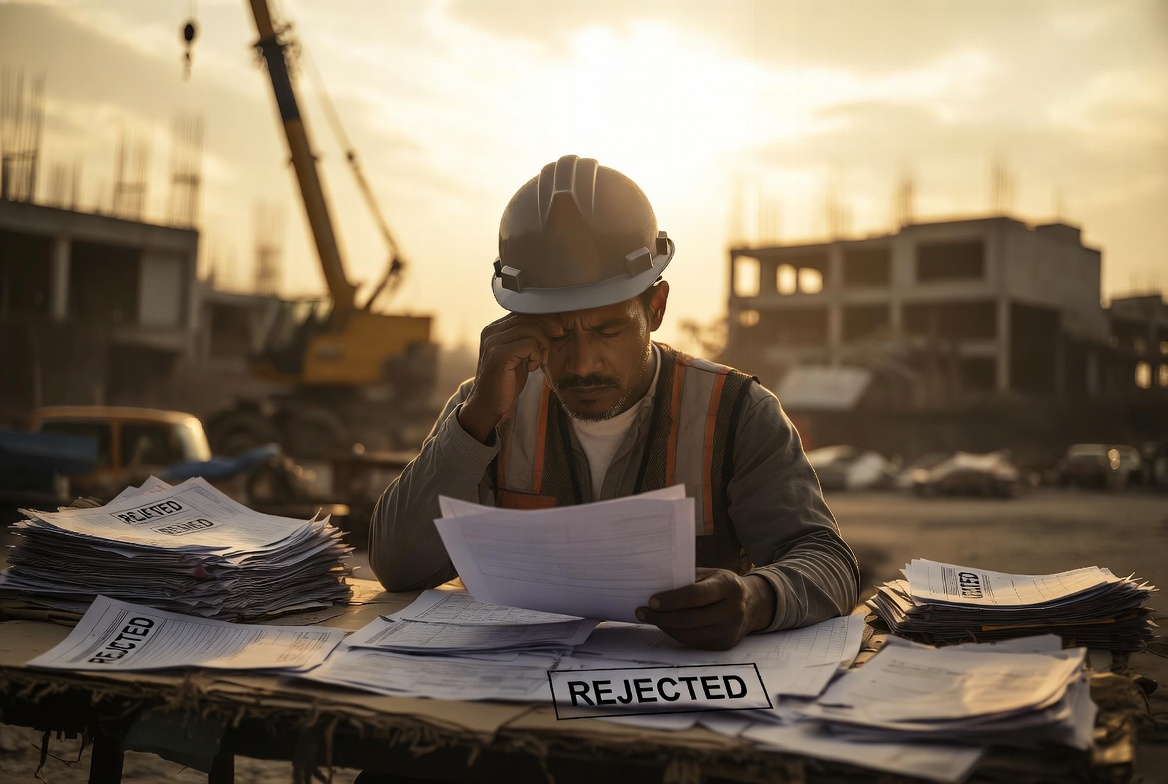
One of the harsh realities in construction disputes is this:
A contractor can be completely correct—and still lose the claim.
Not necessarily because the work was defective.
Not necessarily because the contractor caused the problem.
But because the claim itself was poorly documented, poorly presented, or raised too late.
“Minsan valid ang position—pero kulang ang records.”
This is one of the biggest misunderstandings in construction projects.
Many people assume that being “factually right” automatically guarantees a strong claim later on.
In practice, construction disputes rarely work that way.
1. Construction Claims Are Driven by Documentation
Construction projects generate enormous amounts of information every day.
- emails
- notices
- reports
- revised drawings
- meeting minutes
- progress updates
- billing records
When disputes arise, these records often become more important than memory.
The problem is that many contractors only begin organizing documentation after the project has already deteriorated.
“Kapag may dispute na, saka lang hinahanap ang documents.”
2. Verbal Discussions Become Difficult Later
Construction projects move quickly.
Because of that, many important instructions and discussions happen verbally on site.
At the time, everyone may understand what was agreed.
Months later, during delays or payment disputes, recollections often become inconsistent.
This is why written follow-ups matter so much.
- confirmation emails
- notices
- meeting minutes
- written instructions
Simple documentation habits can significantly strengthen a contractor’s position later on.
3. Delay in Raising Issues Creates Problems
Another common issue is delay in raising concerns formally.
Sometimes contractors continue working for months while assuming problems will eventually be resolved informally.
But when disputes later escalate, questions often arise:
- When was the issue first raised?
- Was proper notice given?
- Was the owner informed clearly?
- Were impacts documented properly?
“Habang tumatagal na walang formal documentation, lalong lumalabo ang position.”
4. Notices Matter More Than Many Contractors Realize
Many construction contracts contain notice requirements that parties overlook during the project.
At the beginning, these provisions often feel like routine paperwork.
But once disputes arise, notice compliance suddenly becomes extremely important.
- delay notices
- variation notices
- payment demands
- extension requests
- reservation of rights notices
In many disputes, the issue is no longer simply whether a contractor experienced a problem.
The issue becomes whether the contractor properly preserved the claim procedurally.
“Minsan hindi nawawala ang claim dahil walang problema — nawawala dahil kulang ang proseso.”
5. Good Claims Can Still Be Presented Poorly
Another common problem is weak claim presentation.
Sometimes contractors possess legitimate supporting documents—but the records are:
- disorganized
- incomplete
- inconsistent
- difficult to connect chronologically
Construction disputes often involve large volumes of records.
If the narrative becomes confusing, even valid issues become harder to evaluate properly.
This is one reason why early organization matters so much.
Waiting until formal proceedings begin usually makes reconstruction far more difficult.
6. Construction Claims Are Not Purely Emotional Questions
One of the frustrations contractors experience is the belief that obvious unfairness should automatically guarantee recovery.
But construction disputes are rarely decided purely by emotion or by whose frustration sounds more understandable.
Claims are usually shaped by:
- contracts
- documentation
- timelines
- notices
- records
- and project conduct over time
“Hindi sapat na alam mong tama ka — kailangan mapakita nang maayos.”
Final Thought
Many construction claims become difficult not because the contractor had no valid concerns, but because critical details were never documented properly while the project was ongoing.
The earlier issues are identified, documented, and organized, the stronger the contractor’s position usually becomes later on.
In construction disputes, preparation often begins long before formal claims are filed.
Related Articles
- What to Do If You Are Not Paid in a Construction Project
- Owner-Caused Delay: What Can a Contractor Actually Claim?
- Can a Contractor Stop Work for Non-Payment?
Need Clarity on a Construction Claim?
If you are dealing with delays, payment issues, or a developing construction dispute, it is usually better to assess the situation early before records and timelines become harder to reconstruct later on.
If you want a clearer view of your position, you may send an inquiry below.