
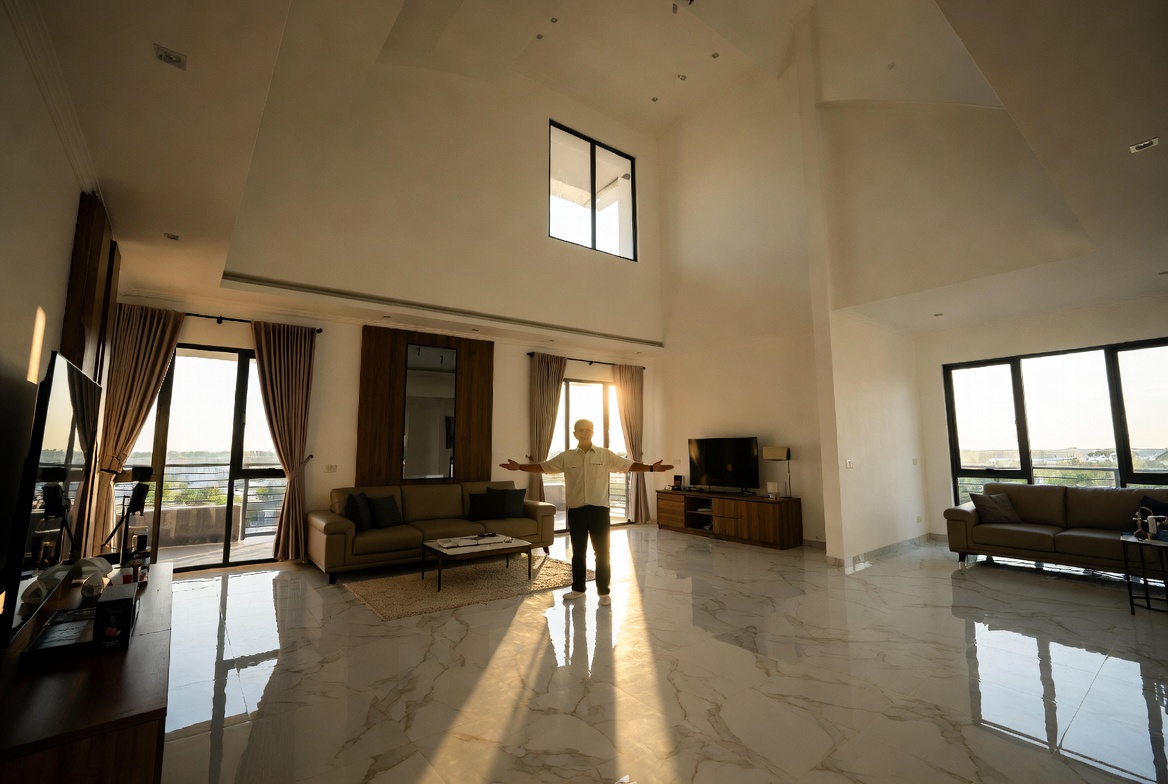
Recently, I was speaking with a friend who operates a build-and-sell business in Baguio.
He had completed and sold a residential property with a good level of workmanship and finish.
A few months after turnover, however, some minor issues began appearing.
Nothing catastrophic.
A fixture needed adjustment.
A small repair was required.
A few punch-list type concerns surfaced as the house settled into actual use.
What followed was an interesting discussion about warranties, homeowner expectations, and what people often misunderstand about construction projects after turnover.
“Brand new naman ang bahay. Bakit may kailangan pang ayusin?”
It is a fair question.
But it also highlights a reality of construction that is sometimes overlooked.
1. Many Owners Expect Perfection After Turnover
When someone purchases a newly completed home, expectations are naturally high.
After all, the buyer has invested significant money into the property and expects quality workmanship.
From the homeowner’s perspective, even a minor issue can feel disappointing.
That reaction is understandable.
The reason behind the reaction is that construction projects are often more complex than people realize.
2. Construction Is Not Manufacturing
A completed house is very different from a product coming off an assembly line.
Construction projects involve:
- people
- materials
- suppliers
- subcontractors
- weather conditions
- site-specific circumstances
Every project is assembled in a unique environment under unique conditions.
Because of this, some adjustments or minor issues may become apparent only after actual occupancy and use.
“Kahit gaano ka magaling na contractor, yung ibang issues, lumalabas lang pag may nakatira na.”
3. Not Every Post-Turnover Issue Indicates Poor Workmanship
One of the common misconceptions is that every post-turnover issue automatically means the project was poorly constructed.
In reality, there are significant differences between a minor warranty concern and a serious construction defect.
Lumping the two situations together can create unrealistic expectations and unnecessary conflict.
The existence of a repair item does not automatically mean the entire project was defective.
4. The Warranty Period Exists for a Reason
One of the interesting points from my conversation with my friend was that the appearance of minor post-turnover issues did not automatically mean something had gone wrong with the project.
In many ways, this is one of the reasons warranty periods exist in the first place.
Some people mistakenly view a warranty as an admission that defects are expected.
A more practical way of looking at it is that warranties provide a structured mechanism for addressing issues that may become apparent only after occupancy and actual use.
Construction projects are complex.
Even well-executed projects may require adjustments after turnover.
“Hindi porket may warranty clause ay magkakaproblema ang bahay. Bahagi ito ng responsableng project delivery.”
5. Good Builders Often Return After Turnover
One thing I appreciated from my friend’s experience was his attitude toward post-turnover concerns.
He did not view turnover as the end of his responsibility.
When issues were raised, he addressed them.
Not because the house was poorly built.
But because standing behind completed work is often part of being a responsible builder.
In many successful projects, the relationship between builder and owner does not end the moment the keys are handed over.
“Ang turnover ay hindi palaging dulo ng relasyon dahil may warranty period pa.”
6. Not Every Complaint Is Necessarily a Warranty Issue
At the same time, not every issue that appears after turnover automatically falls within the builder’s warranty responsibility.
Properties continue to evolve once they are occupied.
- normal wear and tear
- maintenance issues
- owner modifications
- accidental damage
- usage-related deterioration
These situations may be very different from genuine construction defects or workmanship concerns.
This is one reason why communication and proper assessment remain important whenever post-turnover issues arise.
7. Many Disputes Are Actually About Expectations
One observation that repeatedly appears in construction-related disagreements is that the dispute is not always about the physical issue itself.
Sometimes the real disagreement involves expectations.
The owner may expect perfection.
The builder may view the concern as a minor adjustment.
Neither side necessarily sees the situation the same way.
If communication breaks down, even relatively small concerns can become much larger sources of frustration.
“Minsan hindi repair ang problema. Ang problema ay hindi na-set ang expectations ng buyer.”
Final Thought
The conversation with my friend reminded me that many post-turnover issues are not really about construction defects.
They are often about expectations, communication, responsiveness, and how both parties approach the warranty relationship.
Good projects can still require adjustments after turnover.
The existence of a repair item does not automatically mean the project was poorly built.
More often than not, the difference lies in the expectations of the parties.
Related Articles
- Why Contractors Should Read Their Construction Contract Before Signing It
- Why Contractors Should Stop Relying on Verbal Instructions
- When Construction Problems Start Becoming Legal Disputes
Questions About Construction Defects or Warranty Issues?
If you are dealing with post-turnover concerns, warranty questions, construction defects, or disagreements regarding repair responsibilities, it is often helpful to understand the situation early before expectations and positions become more difficult to reconcile.
You may send an inquiry below if you would like a clearer assessment of the situation.